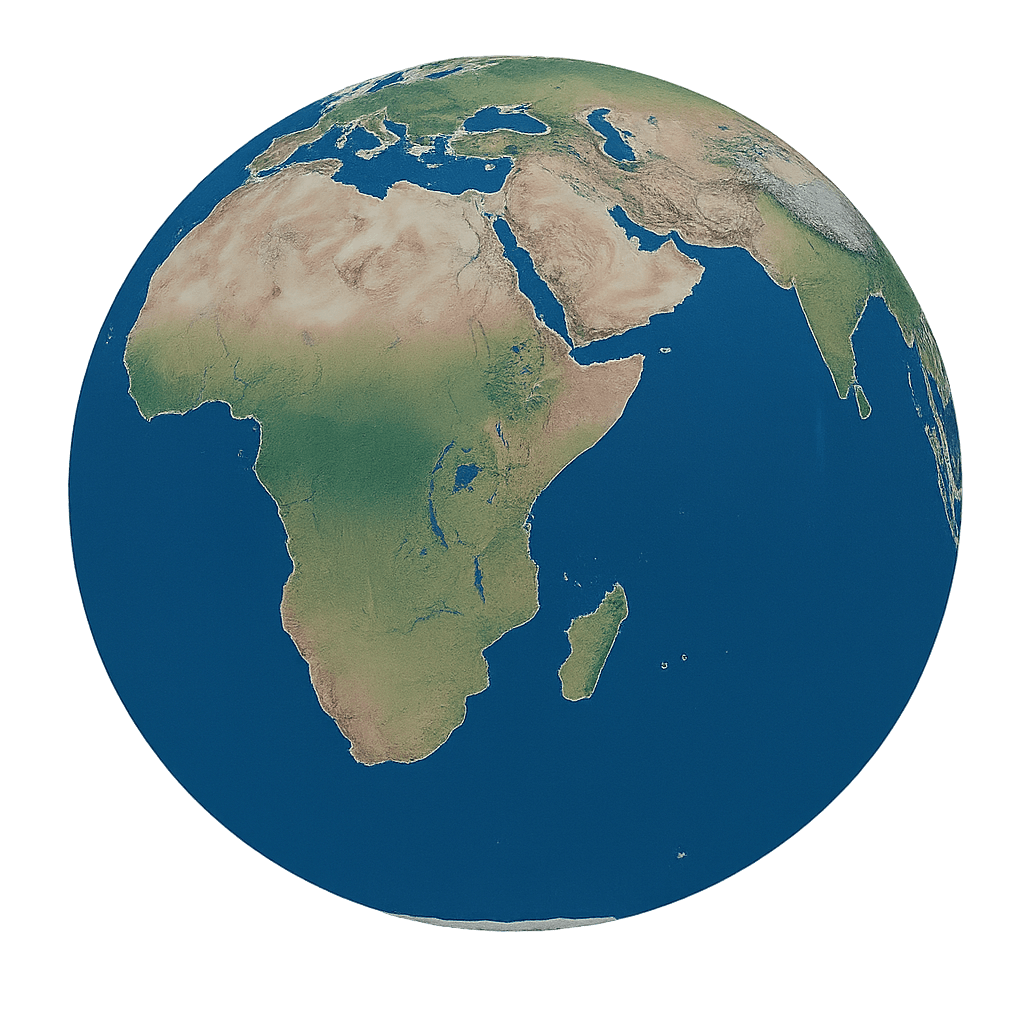

Analysis: Developments in Gulf Security and Their Regional and Global Implications
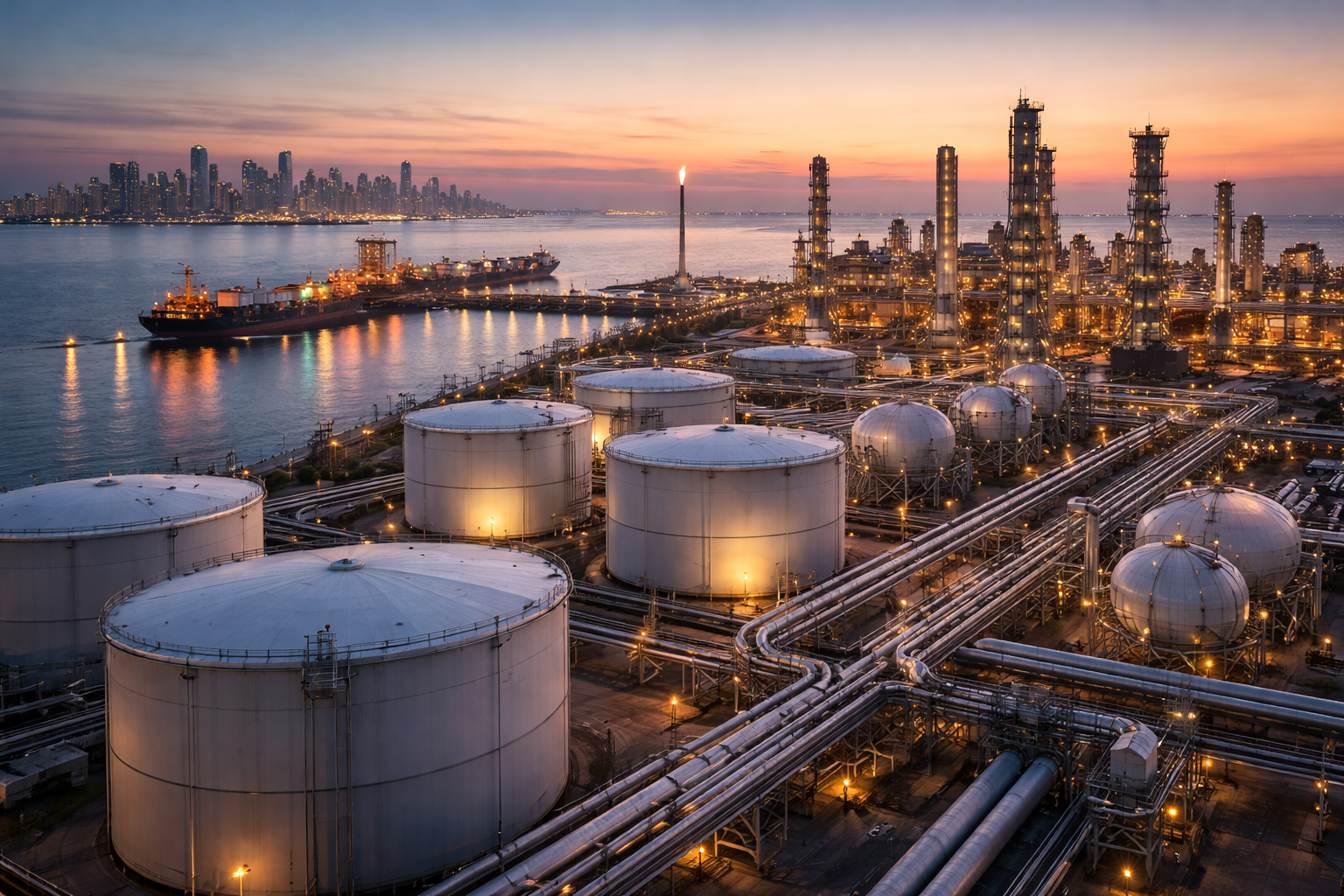
Energy facility on the Gulf coast representing a critical pillar of global oil market stability.
Analysis: Developments in Gulf Security and Their Regional and Global Implications
GLASGOW, UNITED KINGDOM, April 8, 2026 /EINPresswire.com/ -- Developments in March 2026 have drawn increased international attention to changes in regional security dynamics in the Gulf, following a series of reported incidents affecting critical infrastructure. These developments have been observed across multiple countries in the region, reflecting a broader pattern of activity rather than isolated events.According to reported estimates, several thousand attacks were recorded across Gulf countries during March 2026, with multiple incidents affecting infrastructure. Reports indicate that some of these incidents occurred in or near urban and industrial areas, resulting in civilian impact. The geographic spread of these incidents suggests a wide operational scope affecting different parts of the region.
These developments have raised concerns regarding infrastructure resilience and the potential risks to both civilian areas and key economic facilities. Analysts note that the scale and frequency of such incidents may have implications for regional security and crisis management. In addition, the targeting of critical facilities has drawn attention to the preparedness of emergency response systems and the ability to maintain continuity of essential services.
Over the past two decades, Gulf states have invested significantly in economic diversification, infrastructure, and global connectivity. According to the World Bank, the region has attracted foreign direct investment and developed sectors such as logistics, tourism, and finance, positioning itself as a key economic hub within the Middle East and North Africa. In this context, Arab Gulf states have also pursued policies aimed at reducing tensions and promoting regional stability, including diplomatic engagement and economic cooperation. These efforts have been accompanied by long-term development strategies focused on infrastructure expansion, technological advancement, and integration into global markets.
Observers note that disruptions affecting infrastructure could influence investor confidence and increase operational and insurance costs associated with regional activities. Market participants often assess risk based on stability indicators, and fluctuations in these indicators may affect planning and investment decisions across multiple sectors.
From a global economic perspective, the International Energy Agency highlights the importance of the Gulf region in maintaining stability in energy markets. Any disruption to production or transport capacity can contribute to fluctuations in global supply and pricing, reflecting the region’s central role in international energy systems. Given the interdependence between regional infrastructure and global markets, developments in the Gulf are closely monitored by international stakeholders.
International responses have also been issued in relation to these developments. Statements from the United Nations and the European Union have condemned the reported Iranian attacks, particularly those affecting civilian infrastructure, and emphasized concerns regarding regional stability and international law. At the same time, these statements have called on Gulf states to exercise restraint, protect civilians, and support efforts aimed at de-escalation. Diplomatic engagement at the international level continues to focus on preventing further escalation and maintaining stability.
These developments underscore the interconnected nature of regional security and global economic systems, particularly in energy and trade. These developments come at a time when the Gulf region has established itself as a model of economic growth and relative stability, while Iranian attacks targeting countries across the Gulf, including civilian and service infrastructure, have been reported.
References:
https://www.atlanticcouncil.org/event/gcc-fiscal-resilience-and-macroeconomic-stability-during-the-iran-war/
https://www.worldbank.org/ext/en/region/mena
https://www.iea.org/reports/oil-market-report-march-2026
https://www.aljazeera.com/news/2026/3/2/blasts-shake-qatar-uae-kuwait-as-irans-retaliatory-strikes-continue
https://www.securitycouncilreport.org/whatsinblue/2026/03/the-middle-east-crisis-votes-on-two-draft-resolutions.php?utm_source
https://www.consilium.europa.eu/en/press/press-releases/2026/03/05/joint-statement-by-gcc-eu-ministers-meeting-on-recent-developments-in-the-middle-east-iran-s-attacks-against-gcc-states/?utm_source
https://www.reuters.com/world/middle-east/eu-nations-call-maximum-restraint-respect-international-law-iran-conflict-2026-03-01/?utm_source
Analysis Desk
Podiomedia
press@podiomedia.com
Legal Disclaimer:
EIN Presswire provides this news content "as is" without warranty of any kind. We do not accept any responsibility or liability for the accuracy, content, images, videos, licenses, completeness, legality, or reliability of the information contained in this article. If you have any complaints or copyright issues related to this article, kindly contact the author above.
