

Top PET/PLA Co-Rotation Twin Screw Sheet Extrusion Lines from China: Wholesale & Technical Sourcing Guide
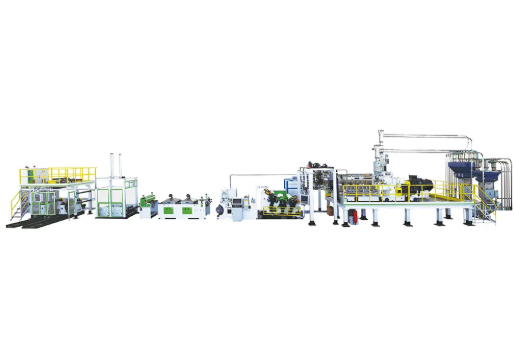
Twin Screw Sheet Extrusion Lines factory
Executive Summary: Modern thermoforming facilities rely on multi-layer sheet output without excessive thermal degradation. Working with a verified China high-quality Twin Screw Sheet Extrusion Lines Supplier enables processors to bypass raw material pre-drying, cut operational energy expenses, and stabilize intrinsic viscosity during continuous PET/PLA packaging runs.
Technical Performance and Operational Architecture of PET/PLA Co-Rotating Lines
Processing polyester (PET) and polylactic acid (PLA) resins requires careful thermal management and precise volatile removal. The co-rotating twin-screw sheet extrusion line integrates a parallel twin-screw extruder with multi-stage venting, a liquid-metering or side-feeding system, a high-precision melt pump, a hanger-type sheet die, and a vertical or inclined three-roll polishing calender.
Unlike traditional single-screw systems that depend on energy-intensive pre-drying and crystallization towers, co-rotating twin-screw configurations utilize high-vacuum multi-venting technology. The meshing action of the co-rotating screws generates continuous surface renewal under vacuum pressure, removing residual moisture and low-molecular volatiles directly from the polymer melt within seconds.
Modular segmented screw elements allow process engineers to adjust shear profiles, mixing intensity, and residence time distributions according to specific formula demands. When paired with high-torque gearboxes and temperature-controlled calender rolls, the system preserves polymer intrinsic viscosity while maintaining uniform gauge distribution across wide sheet widths.
Operational Challenges in Thermoforming Sheet Production and Engineering Solutions
Sheet extruders and packaging manufacturers encounter technical and commercial obstacles when scaling up PET and bio-based PLA thermoforming lines:
1. Intrinsic Viscosity Loss and Material Degradation
Polyester and polylactic acid resins are highly sensitive to hydrolytic degradation. Excess moisture at elevated processing temperatures breaks polymer chains, lowering intrinsic viscosity (IV). Reduced IV leads to brittle thermoformed trays, poor impact resistance, and frequent web breaks on high-speed forming machines.
Engineering Mitigation: Implementing high-vacuum multi-stage venting zones along the screw barrel removes moisture prior to full melting. Combined with optimized screw geometry that reduces shear overheating, this configuration maintains IV levels within tight margins, ensuring mechanical strength in final packaging containers.
2. High Energy Consumption from Pre-Drying Infrastructure
Conventional PET sheet extrusion setups require pre-drying dehumidifiers and crystallization hoppers operating for hours at elevated temperatures before material enters the throat. This pre-treatment step increases factory electricity consumption, expands equipment footprints, and adds maintenance complexity.
Engineering Mitigation: Direct extrusion using co-rotating twin screws eliminates external crystallization and drying towers. By degassing volatiles directly inside the barrel, energy consumption per kilogram of processed resin drops significantly, streamlining overall plant footprint and operational costs.
3. Inconsistent Blending of Recyclate and Additives
Incorporating post-consumer recycled flakes (rPET), bio-PLA regrind, or color masterbatch often causes feeding surges and melt inhomogeneity in standard extruders. Flake size variations lead to gauge fluctuations across the die lip, producing uneven sheet thickness.
Engineering Mitigation: Multi-component loss-in-weight gravimetric feeders coupled with intensive distributive mixing zones on the segmented screws ensure uniform dispersion. A downstream gear pump maintains constant volumetric pressure to the die lip, keeping sheet thickness tolerances tight even when running high percentages of recycled flake.
Field Application Scenarios for Packaging and Medical Sheet Production
To understand the practical impact on daily production, consider three key operational scenarios:
Scenario A: High-Speed Food Packaging Thermoforming
A rigid packaging plant produces clamshell containers and bakery trays using a mix of virgin PET, rPET bottle flakes, and anti-block masterbatch.
Implementation: The co-rotating line receives un-dried rPET flakes directly through loss-in-weight feeders. The vacuum system strips moisture, while the melt pump maintains constant pressure through a multi-layer co-extrusion feedblock. The resulting clear sheet undergoes thermoforming without web tears or clarity loss, meeting food-contact packaging standards.
Scenario B: Eco-Friendly PLA Bio-Based Packaging Production
A sustainable packaging converter processes biodegradable polylactic acid (PLA) for cold-drink cups and fresh produce punnets. PLA has a narrow processing window and degrades rapidly if exposed to excessive heat or shear.
Implementation: The segmented screw profile is tailored with low-shear kneading blocks and precise barrel zone cooling. The low-temperature extrusion process preserves PLA melt strength, while multi-roll calenders quickly set the sheet, preventing stress marks and ensuring high optical clarity in eco-conscious consumer packaging.
Scenario C: Medical Tray and Cleanroom Blister Packaging
A medical device manufacturer extrudes high-clarity PETG and rigid PET sheets destined for sterile medical tool trays and blister packs.
Implementation: The enclosed venting system and oil-free heating controls prevent ambient contamination. Melt filtration units filter out fine particulates down to micron levels before the polymer enters the die, yielding defect-free, high-purity sheet rolls suitable for cleanroom thermoforming environments.
Evaluating Direct Manufacturer Capabilities for Bulk Procurement
Partnering with a Top China Best Twin Screw Sheet Extrusion Lines Manufacturer requires assessing technical infrastructure, manufacturing standards, and post-sales integration services.
Precision Machining and Screw Component Quality
The reliability of a twin-screw extruder depends on the machining accuracy of its barrel segments, screw elements, and drive trains. Facilities utilizing CNC thread grinders, specialized nitriding treatments, and high-torque gear units ensure tight meshing clearances, preventing material stagnation and localized overheating during continuous operation.
Standardized Quality Management Systems
A reputable China Best Twin Screw Sheet Extrusion Lines factory operates under structured international quality systems, such as ISO 9001 and CE safety certifications. Systematic factory acceptance testing (FAT)—where machines undergo dry runs and trial extrusions before shipping—verifies heater response, vacuum efficiency, and drive stability.
Global Supply Chain and Installation Support
Direct factory procurement offers distinct advantages in customization and technical responsiveness. Qualified engineering teams assist buyers with layout planning, electrical integration, screw profile customization for specialized resin blends, and rapid delivery of replacement screw elements or filter screens.
Localized Procurement FAQs
Q1: Can a co-rotating twin-screw line process 100% rPET bottle flakes without pre-drying?
Yes, provided the line is equipped with a high-capacity multi-stage vacuum degassing system and a high-efficiency melt filter. The co-rotating twin screws continually renew the melt surface under deep vacuum, stripping out volatile moisture and organic residues before the polymer reaches the gear pump. This allows processors to feed washed rPET flakes directly into the hopper, saving energy and floor space while yielding stable sheet quality.
Q2: What factory testing protocols confirm machine quality prior to international shipment?
When working with a Top China Best Twin Screw Sheet Extrusion Lines Manufacturer, buyers should expect comprehensive factory acceptance testing. This includes static mechanical checks, electrical wiring inspection, zone-by-zone heating and cooling trials, and dynamic continuous running tests. Many suppliers also offer material trial runs, where customer-supplied resin formulations are processed to verify sheet clarity, gauge uniformity, and vacuum performance prior to final packing.
Q3: What export packaging and shipping procedures protect extrusion lines during ocean freight?
Extrusion lines consist of long barrel sections, sensitive electronics, and heavy steel structures requiring robust packing:
Rust Prevention: Machined metal surfaces, die lips, and calender rolls receive anti-rust coatings and vacuum foil wrapping.
Structural Framing: The main extruder base, calendar stack, and haul-off units are bolted to heavy-duty wooden skids or steel bases.
Containerization: Sensitive components and control cabinets are packed in reinforced wooden crates with desiccant packs, secured inside 40-foot open-top or high-cube containers to prevent shifting during transit.
Direct Factory Sourcing Solutions
For thermoforming converters, packaging manufacturers, and industrial sheet producers looking to upgrade technology and reduce energy overhead, sourcing direct from an experienced machinery builder provides balanced technical and financial performance.
To review machine specifications, request layout drawings, or arrange technical inquiries for twin-screw extrusion lines, visit:
https://www.jwellsale.com/
Jwell
Jwell
+86 15806225672
salqy@jwell.cn
Legal Disclaimer:
EIN Presswire provides this news content "as is" without warranty of any kind. We do not accept any responsibility or liability for the accuracy, content, images, videos, licenses, completeness, legality, or reliability of the information contained in this article. If you have any complaints or copyright issues related to this article, kindly contact the author above.
